Make your salad days memorable.

6 Apr

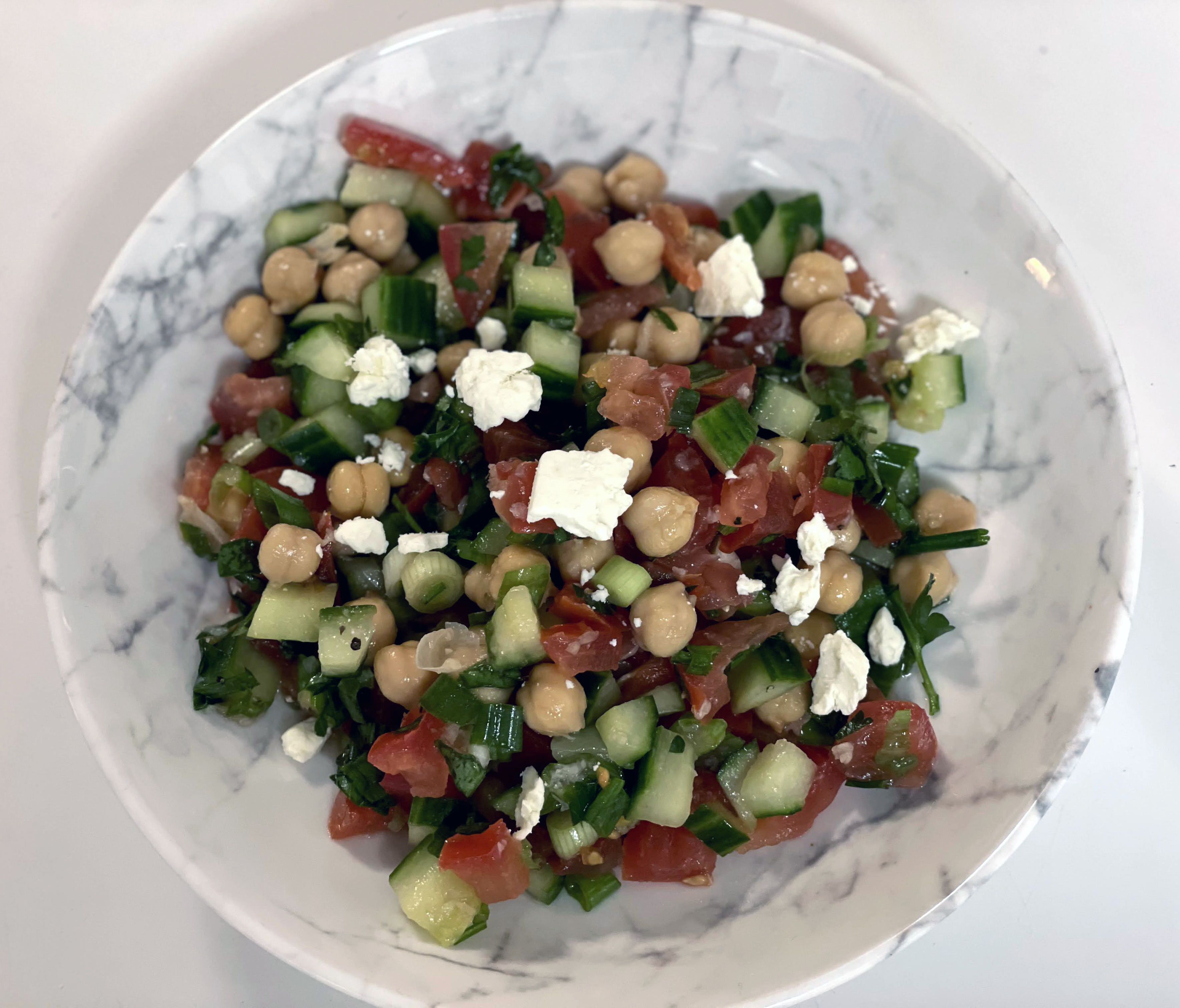
I love a veggie salad – especially in the summer time when I can make it with my own homegrown tomatoes! My Israeli friend, Motty, first introduced me to Israeli salads. Basic ingredients are tomatoes, cucumbers and onions tossed with olive oil and lemon juice. You don’t actually need a recipe to make this salad but if you’re a novice, I suggest following this recipe I found in Barefoot Contessa How Easy is That (2010). Of course the Barefoot Contessa is the amazing Ina Garten.

This is a wonderful salad. I make a big batch and eat it for lunch several days in a row. I love it scrambled with eggs, too. Israelis eat it for breakfast! I only used half the dressing – but that’s because I like to taste all those crunchy veggies in every bite. Next time I make it I am going to serve it over hummus, as the celebrated chef suggests!

Middle Eastern Vegetable Salad

10 scallions, white and green parts, thinly sliced

1 pound ripe tomatoes, seeded, cored, and ½-inch diced

1 hothouse cucumber, halved lengthwise, seeded, and ½-inch diced

1 can or jar (12 to 16 ounces) chickpeas, rinsed and drained

1/3 cup chopped fresh parsley

1/3 cup chopped fresh mint leaves

1/3 cup julienned fresh basil leaves

1/2 cup freshly squeezed lemon juice (4 lemons)

1 tablespoon minced garlic (3 cloves)

Kosher salt and freshly ground black pepper

1/2 cup good olive oil

8 ounces good feta cheese, ½-inch diced (I usually serve this on the side)

Place the scallions, tomatoes, cucumber, chickpeas, parsley, mint, and basil in a large salad bowl and toss to combine.

In a small bowl or measuring cup, whisk together the lemon juice, garlic, 2 teaspoons salt, and 1 teaspoon pepper. Slowly whisk in the olive oil to make an emulsion. Pour the dressing over the salad, tossing gently to coat all the vegetables. Add the feta, sprinkle with salt and pepper, and toss gently. Serve the salad with the toasted pita bread.
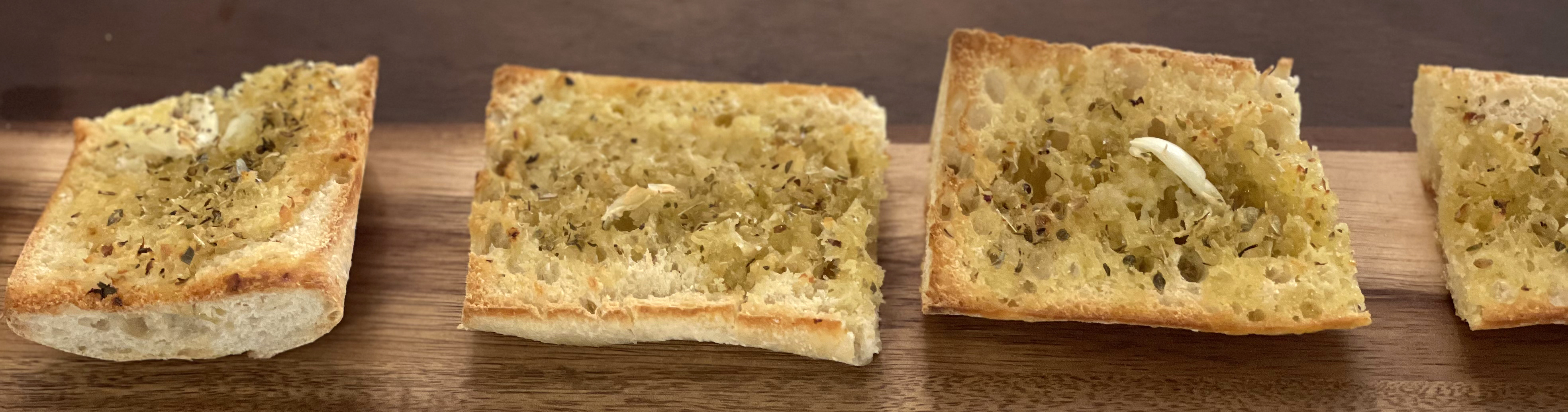
There’s no such thing as too much garlic

5 Apr

If you’re following my blog, it shouldn’t come as a huge surprise that today’s recipe is for garlic bread. After all, who can eat pasta without that garlicky, crunchy accompaniment? Not I. And I found the perfect recipe In Lidia’s Favorite Recipes (2012) by renowned chef Lidia Matticchio Bastianich! This recipe uses olive oil – and you’ll need a “good” olive oil to make it – instead of butter. And if you ask me, the more garlic the better!

It doesn’t get any easier – or better than this. I keep a Take ‘n Bake loaf of Italian bread in my freezer at all times….just in case!

Garlic Bread

3 tablespoons extra-virgin olive oil

3 cloves garlic, crushed and peeled

12-inch loaf Italian bread without seeds

1 teaspoon dried oregano

Kosher salt for seasoning

Combine the olive oil and garlic in a small bowl, and steep about 30 minutes to let the flavors mingle. Preheat the oven to 400 degrees. Split the bread in half lengthwise, then cut in half crosswise, to make four pieces (or more). Set the pieces, cut side up, on a baking sheet, and brush the bread with the flavored oil, rubbing with the garlic cloves and leaving them on top. Sprinkle with the dried oregano.

Bake until the bread is golden and crispy, about 4 to 5 minutes. Remove any large garlic pieces, and lightly season the bread with salt before serving.

Ode to the Blue Horse Restaurant

5 Apr

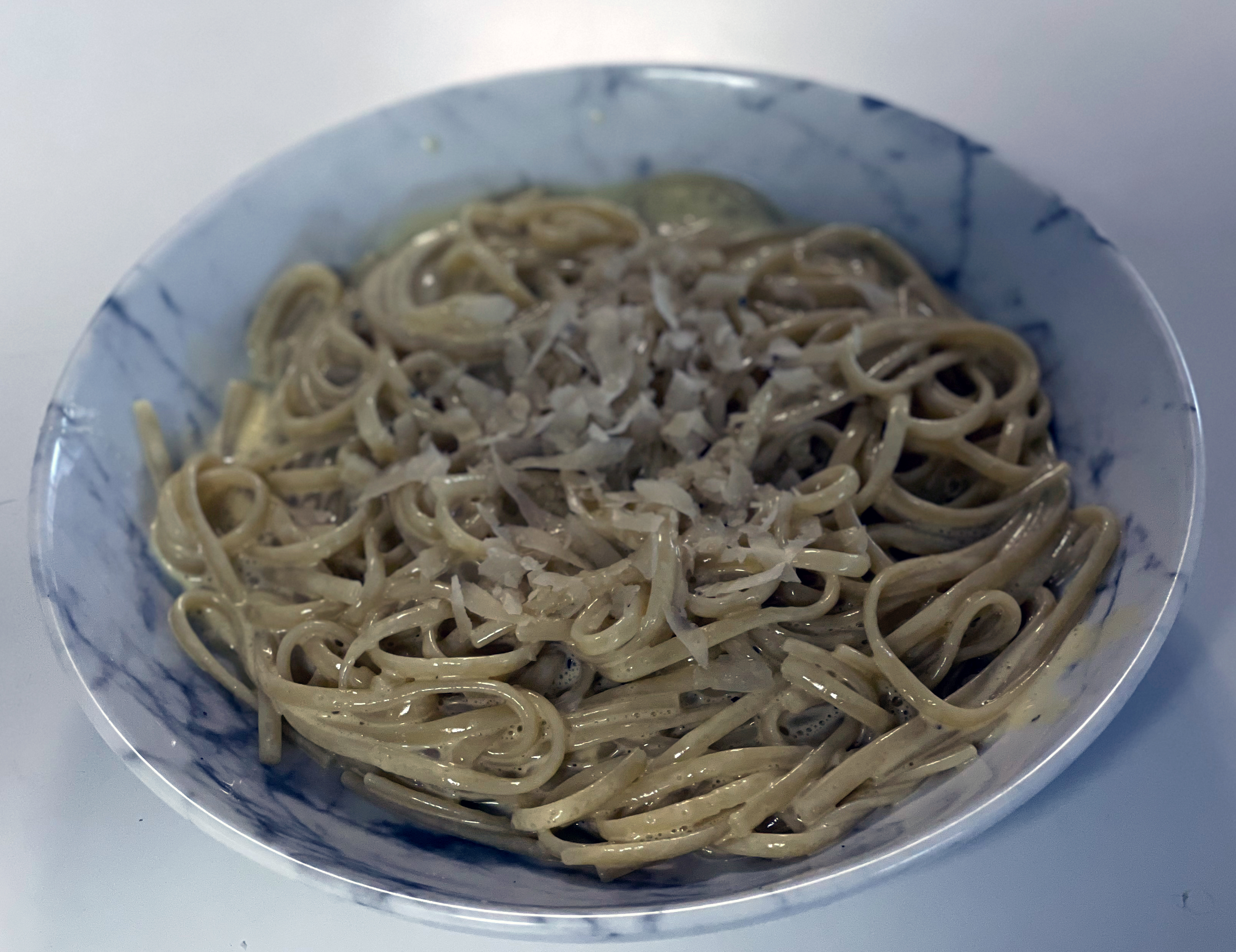
When my husband and I visited Minneapolis back in the days when we were living in Kansas City, my father took us to the finest restaurants in town. His intent was to convince us to move here. Not sure if the good food clinched the deal, but it helped! One of our favorites was the Blue Horse Restaurant in St. Paul – so I knew when I saw a recipe from the landmark – now gone – restaurant, I knew I had to try it.

I found this recipe in Taste/the Best of Taste from the Minneapolis Star (1972). The cookbook is a compilation of recipes published in the Taste section of the Minneapolis paper. Taste still continues to keep Twin City foodies in the know about the local restaurant scene. Delicious dish – couple of suggestions: have extra cheese on hand and consider purchasing/or making a fresh pasta.

Blue Horse Fettucine All’Alfredo

Plunge 1 pound of thin egg noodles into rapidly boiling water for 8 minutes or until tender. Drain well and toss in pan over low heat until quite dry. Tossing constantly, add 2 tablespoons butter, 1 cup heavy cream, 2 egg yolks, pinch of salt and freshly ground pepper. Finally when quite hot, add 4 tablespoons of good Parmesan cheese (I recommend Parmigiano-Reggiano) and continue tossing until well blended. Dish into individual dishes and sprinkle lightly with more Parmesan.

Cook’s tip: Always reserve at least a half cup of the boiling water to use as thickener.

Wry observation: those fancy restaurant meals came to a screeching halt once we moved here!

Beets to a different drummer

3 Apr

I discovered fresh beets several years ago and can’t get enough of them! They are surprisingly easy to make, and are the perfect snack, salad ingredient or side dish. Today’s recipe is for sweet and sour beets. I found the recipe in Deliciously Healthy Jewish Cooking by Harriet Roth (1996). Formerly director of the Pritikin Longevity Center Cooking School, she authored several healthy eating cookbooks. And lucky me, she always sent me copies so I would promote her cookbook to her AEPhi sisters (I edit the sorority’s magazine).

Rather than stir the sauce into the beets, I simply drizzled it over the slices in a bowl. To be clear, I have no idea who Dorothy Essick is but I do thank her for the delicious recipe! You can still find this recipe on Amazon.

Dorothy Essick’s Sweet and  Sour Beets

2 bunches small beets (about 2 pounds)

½ cup diced red onion and 2 tablespoons chopped fresh dill (optional)

Sauce:

1 cup cider vinegar or red wine vinegar

2 tablespoons cornstarch

¼ cup sugar, or to taste

Fresh orange juice or water

Preheat oven to 450 degrees. Cut off all but ½ inch of the beet tops and leave the tails on. Scrub the beets with a vegetable brush, being careful not to break the skin. Place in a covered casserole and  bake for 45 to 55 minutes, or until tender (test with the point of a paring knife.) Or the beets may be wrapped individually in foil and baked at 325 degrees for about 2½ hours. They tend to be juicier baked in foil at a lower temperature. For microwave cooking, place in a covered container with one cup water and cook on High for about 20 minutes or until tender.

When the beets are cool enough to handle, cut off the tops, slip off the skin and slice. Combine the vinegar, cornstarch and sugar in a saucepan and stir over  moderate heat until clear and thickened. Add orange juice or water to thin the sauce if necessary. Stir the beets into the sauce, taste and adjust seasoning.

Sprinkle with red onion and fresh dill. Serve warm or cold.

Cook’s note: I used red beets but you can also make them with golden beets or other varieties.

A chicken and egg.

3 Apr

An Israeli recipe from Zahav!

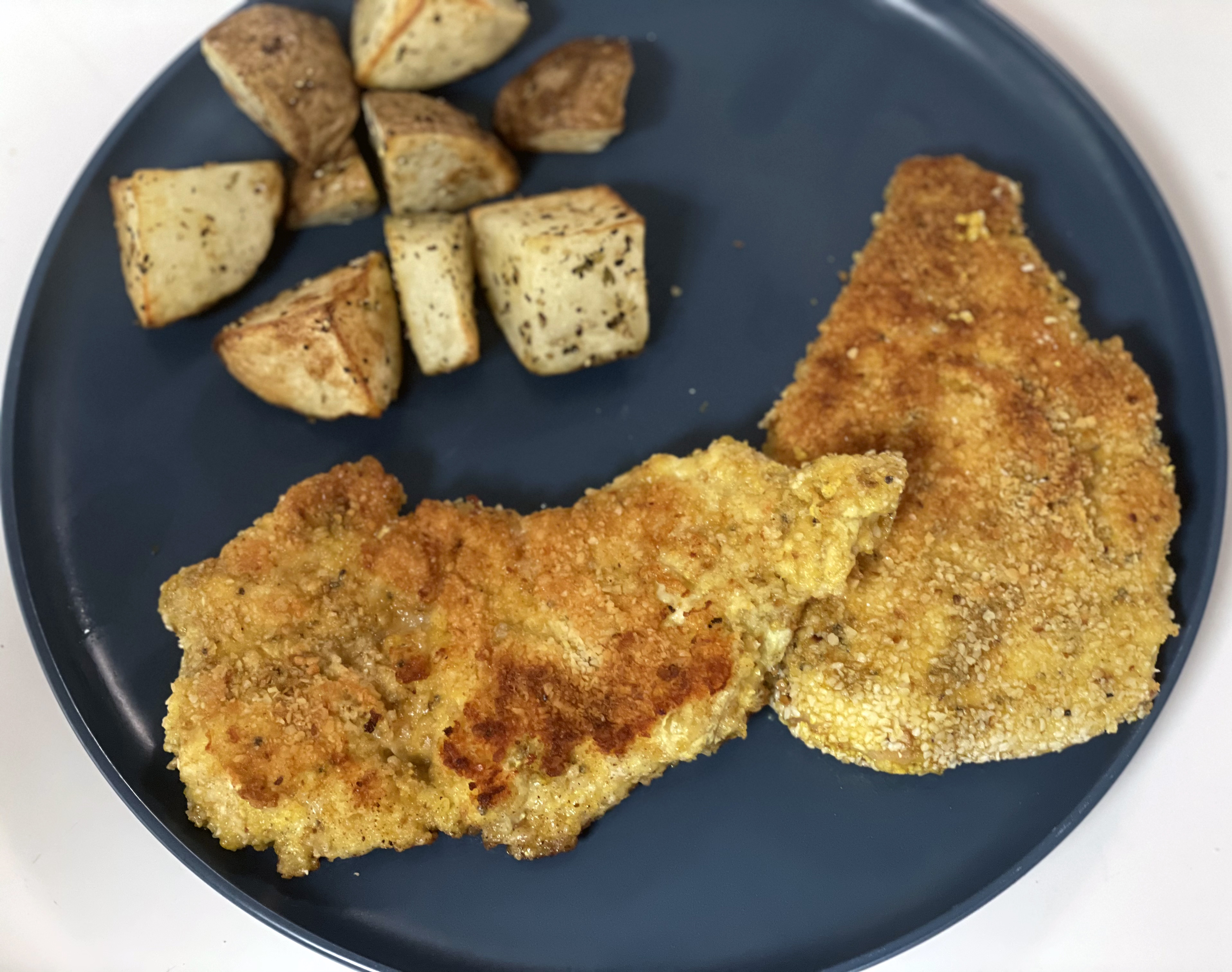
My cookbook collection is diverse – as the recipes I’ve prepared and shared here reflect. Today’s recipe tops the leader board for uniqueness, preparation and of course, taste. I found it in Israel Soul (2018) by Michael Solomonov and Steven Cook. The two own Zahav, an Israeli restaurant in Philadelphia, along with seven other restaurants. My son, Todd, met Solomonov when he worked for Jewish National Fund in New York – and gifted his mother, me, with this beautiful book filled with phenomenal recipes, cooking tips and of course, mouth-watering photos. What’s unique about this recipe is that it doesn’t require the customary three step process required for traditional schnitzel (flour, egg, bread crumbs). Instead you brine chicken breasts in a mixture of eggs and a special spice blend and then dredge them in matzo meal and fry ‘em up! Wow is all I can say about this crispy/crunchy/savory chicken. A must try!

Chicken Schnitzel

4 skinless chicken breasts

4 large eggs

2 tablespoons Hawaij Spice Blend (recipe follows)

2 cups matzo meal

2 teaspoons plus a pinch of kosher salt

¼ cup canola oil

Slice each chicken breast in half horizontally and pound (with a mallet or the back of a heavy pan) to an even ¼ inch thickness. In a  shallow baking dish, beat the eggs with the hawaij. Place the chicken in the dish and turn to coat. Cover and refrigerate for 4 hours or up to overnight.

Place the matzo meal in a shallow dish and stir in the 2 teaspoons salt. Dredge the chicken in the matzo meal and set aside.

Heat the oil in a large cast-iron  skillet over medium-high heat. Add the chicken one or two pieces at a time, and cook until golden and crispy, about 3 minutes per side. Drain the chicken on paper towels, transfer to a plate, and sprinkle with a pinch of salt.

Hawaij Spice Blend

Combine ¼ cup ground turmeric, 2 tablespoons freshly ground pepper and 2 tablespoons ground cumin in a small bowl and mix well. Store in a covered jar. Makes ½ cup – enough for two batches of this delicious chicken!

Orange you going to try this chicken?

1 Apr

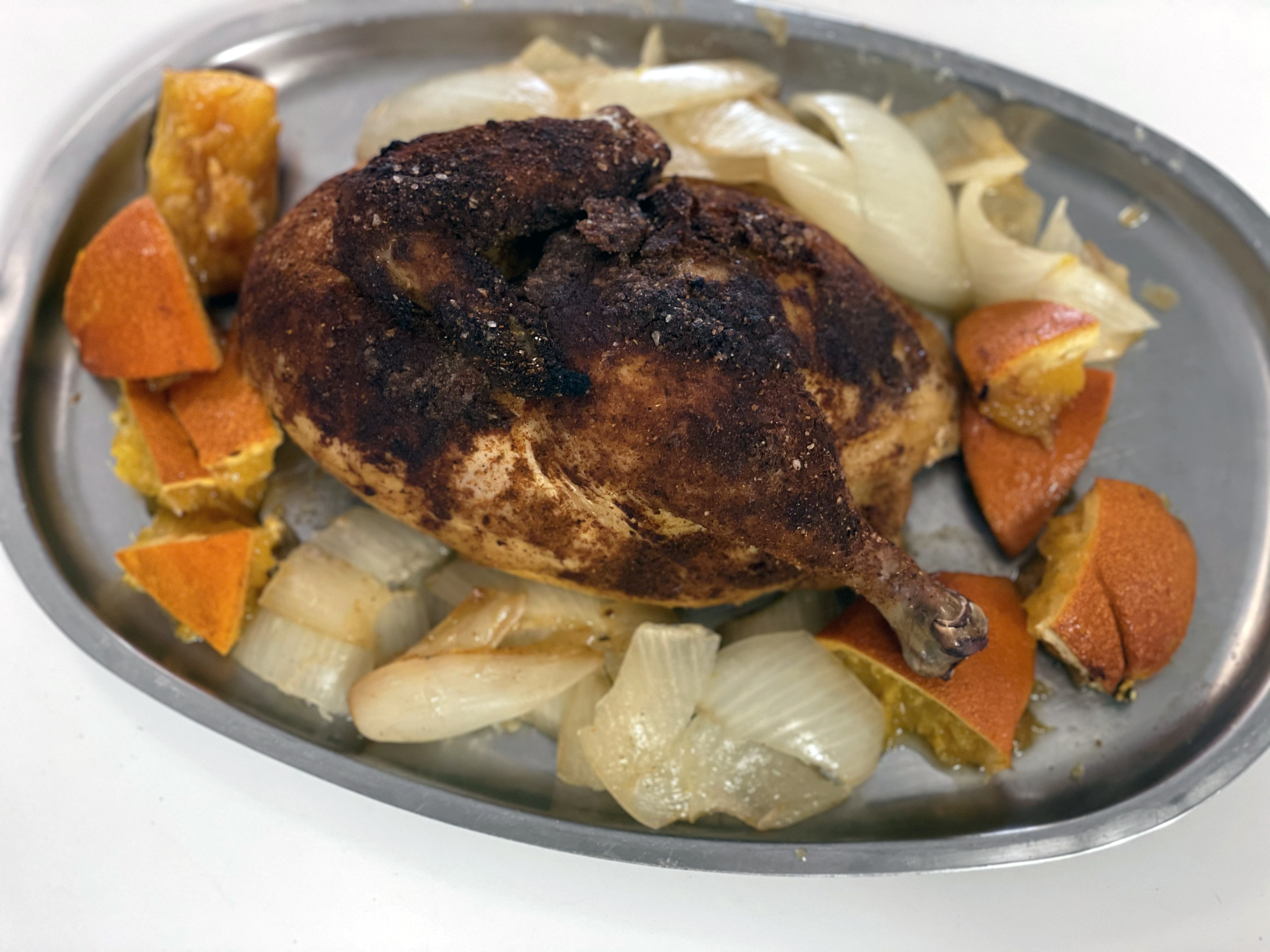
I found this fruity chicken recipe in Cooking the Israeli Way (1986) by Josephine Bacon, another book in the easy menu ethnic cookbook series by Lerner Publications Company. Chicken, like potatoes, is a staple on most Sandler menus so I’m always willing and eager to try yet another take on baked chicken. Apparently this recipe was adapted from a prize winning recipe from a contest organized by the Israel Touring Club in Jerusalem many years ago.

I was surprised at how tender the meat was and loved the way the citrus fruit offset the pungent spices. You could easy do this with chicken pieces. Do save the pan drippings for “gravy.” The cut-up onions and oranges were so flavorful – be sure and try them! This cookbook is still available online!

Chicken Stuffed with Oranges

1½ to 3 pound chicken

1 lemon

2 teaspoons salt

1 teaspoon garlic powder

2 teaspoons paprika

1 teaspoon chili powder

1 teaspoon ground coriander

2 oranges

1 cup water

2 onions, peeled

Preheat oven to 425 degrees. Pat chicken dry with paper towels. Place chicken in a roasting pan. Cut lemon in half and rub one half over surface of chicken. In a small bowl, mix spices together and sprinkle over chicken. Squeeze juice from lemon half and from one of the oranges into roasting pan and add water. Place remaining orange, whole and unpeeled, in chicken cavity. Cut onions in half and add to pan. Cook chicken for 15 minutes, then baste with the pan juices and lower heat to 350 degrees. Cook for 1 hour, basting after 30 minutes. Remove orange from cavity of chicken. Cut orange and onions into small pieces and serve with chicken here.

Note: only half the chicken is pictured!

Spreadable salmon.

1 Apr

Passover Treasures (1998) is a one-of-a-kind cookbook! Published in 1998, it’s a collection of Passover-friendly recipes created as a fundraiser for the Minneapolis Talmud Torah. A new frills edition, it’s full of recipes to get you through Seder plus all eight days of Passover. While it’s no longer being sold by the school – copies are available at Amazon.

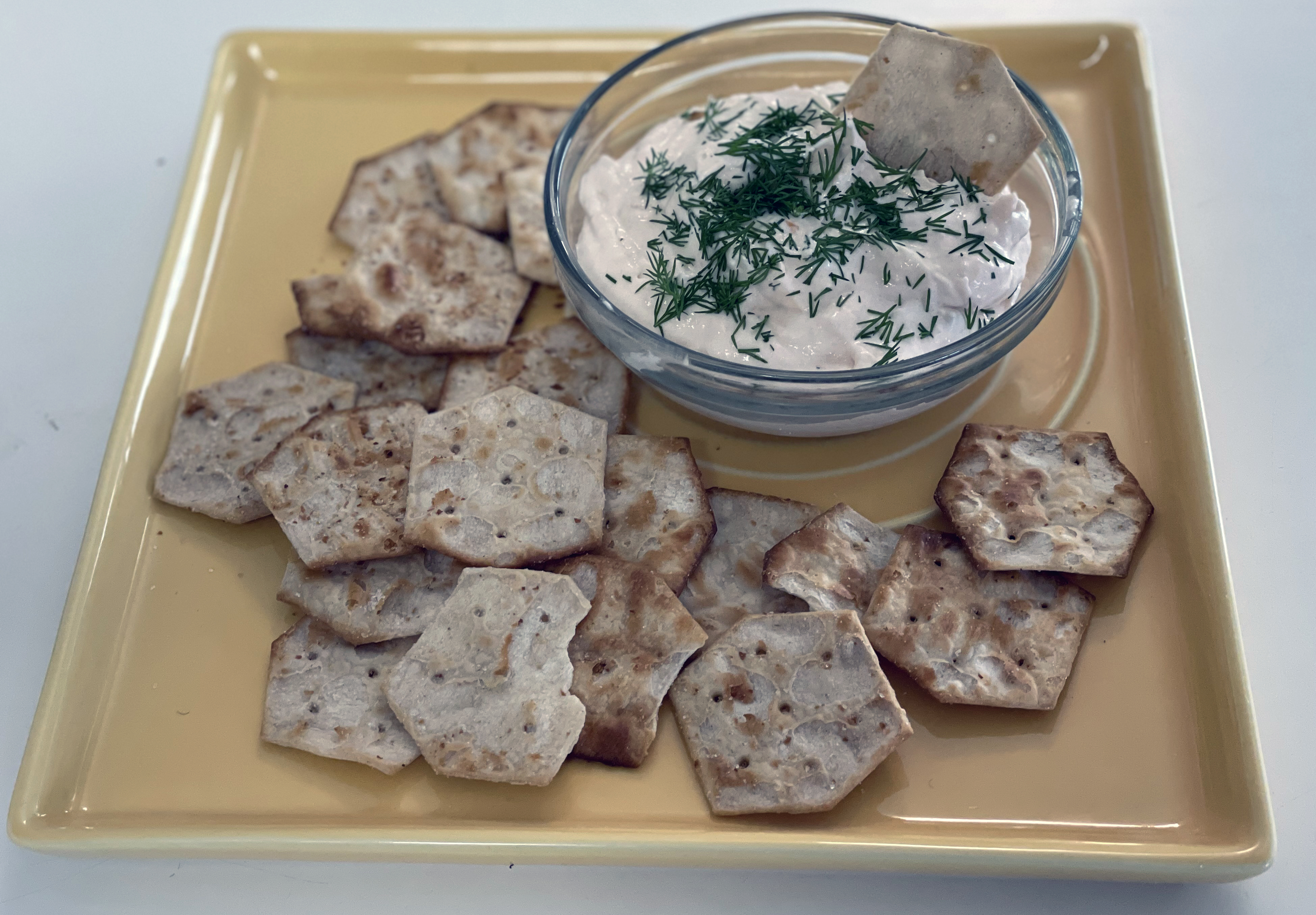
I love this Smoked Salmon Spread – delicious with matzo crackers (or Tams like below) now – spread on bagels when Passover ends. It’s also a great addition to scrambled eggs! Red onion is optional, but don’t skimp on the lemon juice or fresh dill – they are game changers.

Smoked Salmon Spread

8 ounces lox (smoked salmon)

8 ounces cream cheese

2 tablespoons fresh dill or 2 teaspoons dillweed

Pepper to taste

1/2 cup finely chopped red onion

Blend first three ingredients. ( Cook’s note: I used a mini food processor ). Mix in dill and season with pepper. Mix in onion. Chill.

Chicken in a pot.

31 Mar

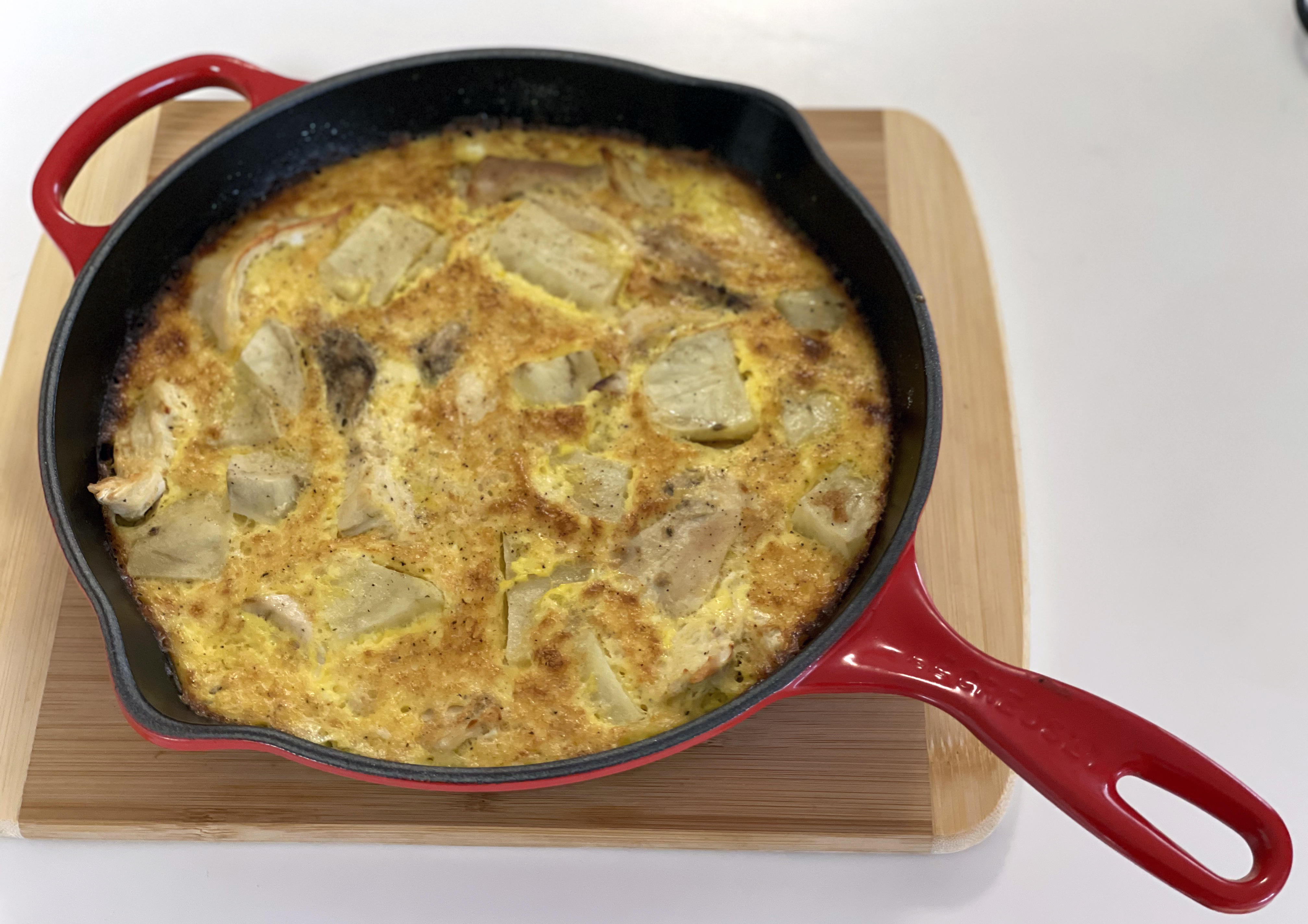
I was excited to try this recipe that I found in Jewish Holiday Kitchen (1988) by Joan Nathan. Chicken, lemon, eggs – a combo of ingredients I love. The author called this her favorite Greek Passover dish! Have to share I was a tad disappointed. As you can see from the picture below – it looks fabulous – but it’s more frittata-like than a casserole. I would suggest making it with leftover chicken for a quick main dish. I added a couple of cut-up potatoes. Just slice it like a quiche or scoop it out!

Greek Egg-Lemon Chicken

One 2½ pound chicken

Salted water

5 eggs

Juice of 1 lemon

Salt and pepper to taste

¼ cup (pareve) margarine

Place the chicken in a heavy pot. Cover with salted water and bring to a boil. Cover and simmer ½ hour, or until chicken is cooked. Remove to a separate plate and cook the chicken. Preheat oven t o 350 degrees. Bone the chicken and place all the meat and skin (I left out the skin!) in an ovenproof low casserole. Pour off all but 2/3 cup liquid from the original pot. Gradually beat in the eggs, lemon juice, salt, pepper and margarine. Pour this sauce over the chicken. Bake about 25 minutes, or until golden brown.

Fruit-tastic

30 Mar

When I was growing up, a favorite Passover dessert was a fruit “ice cream” made with eggs. Somehow using raw eggs no longer appeals to be – but I was looking for a light Passover friendly recipe.

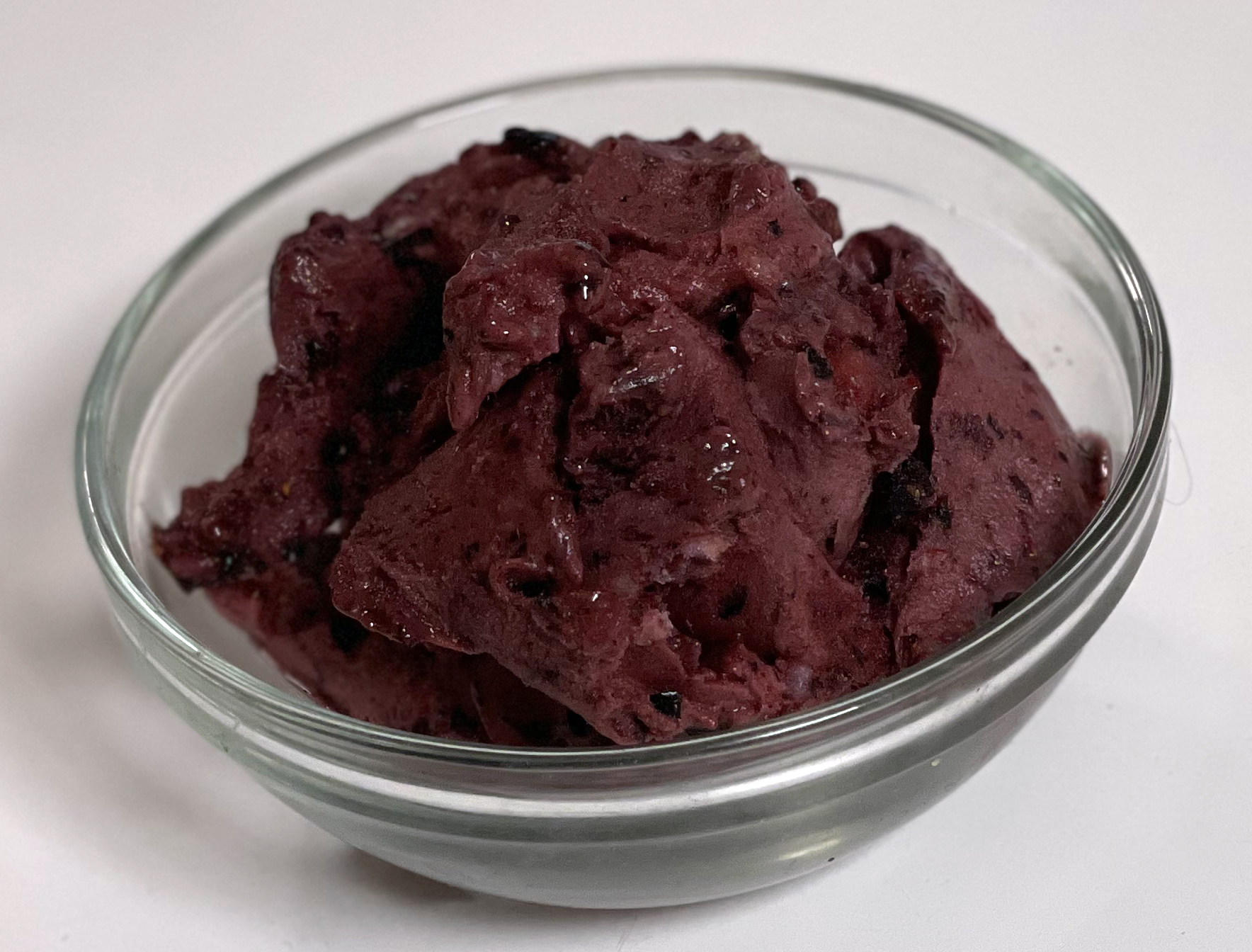
And then I remember my Yonanas machine! With a Yonanas you need nothing but frozen fruit to make a delectable dessert. And the cookbook that comes with it has an astounding array of recipes – over 130. Yes you can pretty much replicate the results using a food processor or blender to pulverize the frozen fruit – but honestly, I think the Yonanas gives the best results! Pick one up online! Great for making instant desserts with grandchildren! This mixed berry recipe from is from Yonanas, the healthy dessert book (2015). Note most of the recipes start with a frozen banana; this one doesn’t but you’ll get far better results starting with a chunk of banana and alternating with the berries. It doesn’t get any fresher tasting or easier than this!

Mixed Berry Sorbet

1 frozen ripe banana, cut in three chunks

1 cup frozen mixed berries: strawberries, blackberries, raspberries and blueberries

Insert frozen mixed berries in the chute and push them down with the plunger. Repeat. Collect Yonanas in a bowl. Remove the chute assembly from the Yonanas maker base, unscrew the cone and scrape out any extra Yonanas that might be in there.

Potato, Potata….call it what you wish

28 Mar

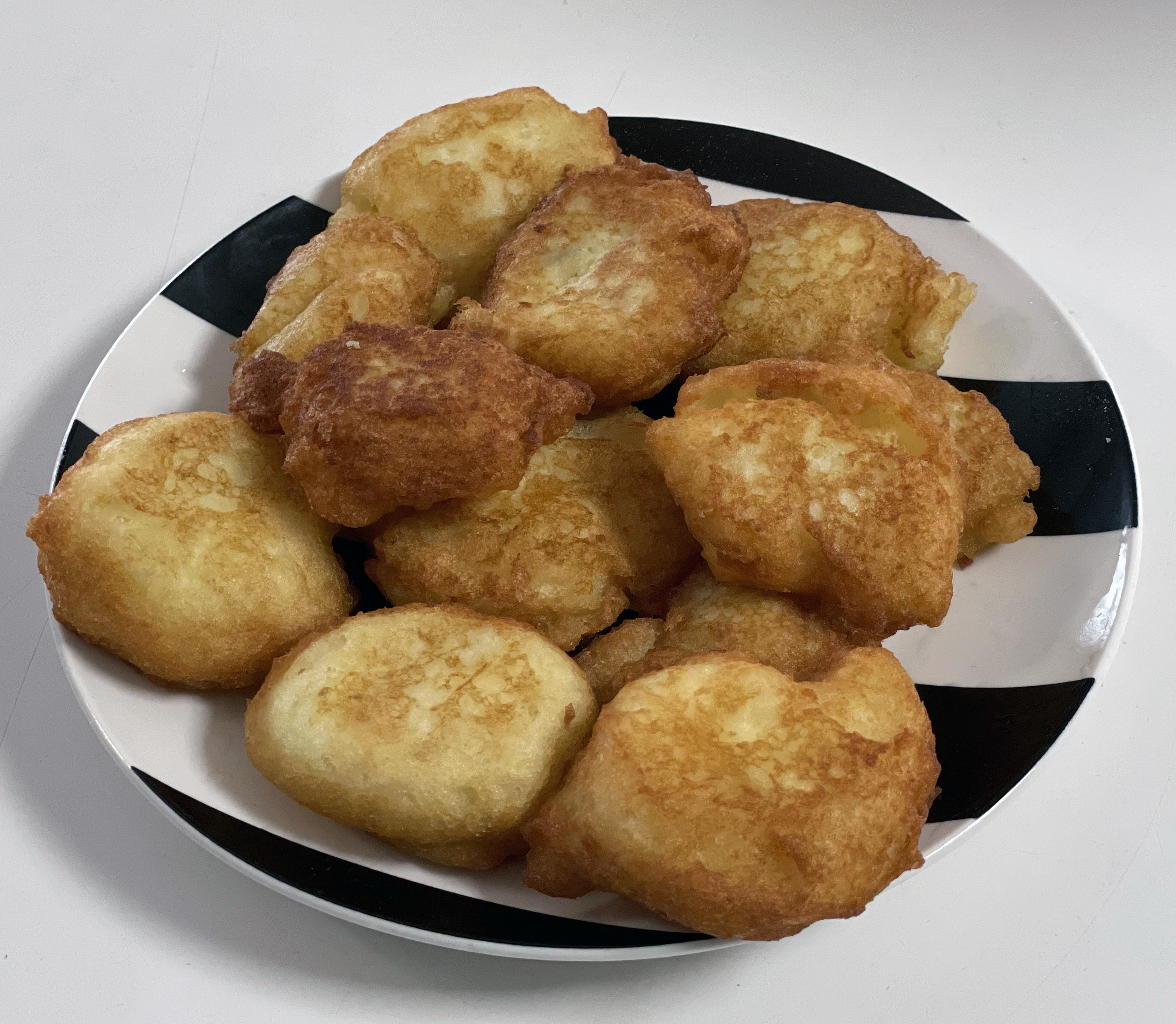
And yet another potato recipe. I found this recipe in Cooking Jewish by Judy Bart Kancigor (1999). I love this chunky paperback cookbook that tells the stories (along with pictures) of generations of the Rabinowitz Family and their recipes. It’s a fun read. I’m not sure if these potatoes are meant to be a side dish, appetizer or enjoyed as a snack. I served them with leftover brisket as “the potato.” The editor remembers eating them sprinkled with sugar for a snack. Honestly, they are basically fried mashed potatoes – and what’s wrong with that?

You can still find this informative cookbook online!

Oma’s Bubbelach

Note: bubala is a Yiddish word – a term of endearment – like sweetie or darling – often reserved for children and grandchildren

2 pounds baking potatoes, cut into 1½-inch cubes

1 teaspoon plus a pinch of kosher salt

Pepper, preferably white, to taste

4 large eggs, separated

Vegetable oil for frying.

Bring a medium-size saucepan of lightly salted water to a boil. Add the potatoes and boil gently until they can be easily pierced with a skewer. (Don’t use a fork, which will break them apart.) Drain the potatoes and put them through ricer (preferred), or mash them by hand, in a bowl. Add the 1 teaspoon salt and the pepper, and stir in the egg yolks.

Bet the egg whites with an electric mixer on medium-high speed until foamy, about 30 seconds. Add the pinch of salt and beat until the whites form stiff peaks, about 1½ minutes total. Fold one-fourth of the egg whites into the potato mixture to lighten it. Then fold in the remaining whites.

Pour oil to a depth of about 1 inch in a large skillet and heat it over medium-high heat. Drop the potato mixture by the rounded tablespoon into the hot oil (do not crowd the skillet). Fry on both sides until golden brown., 2 to 3 minutes per side. Drain the puffs on paper towels, and serve immediately.

Recipe can be cut in half.